Thursday, January 4, 2024

What I Learned in 2023 - S.N.A.P. Edition

 What I Learned in 2023 - S.N.A.P. Edition

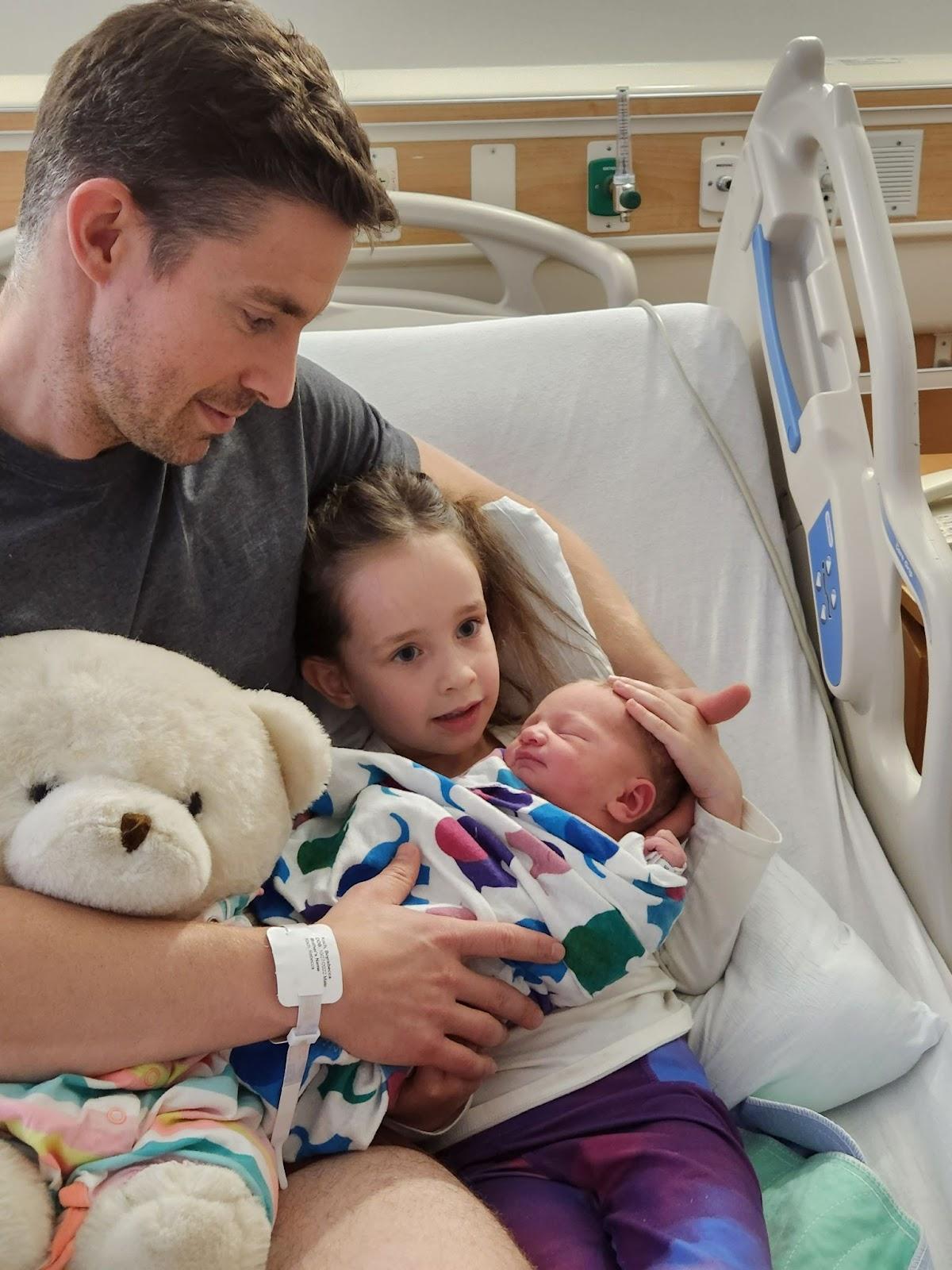
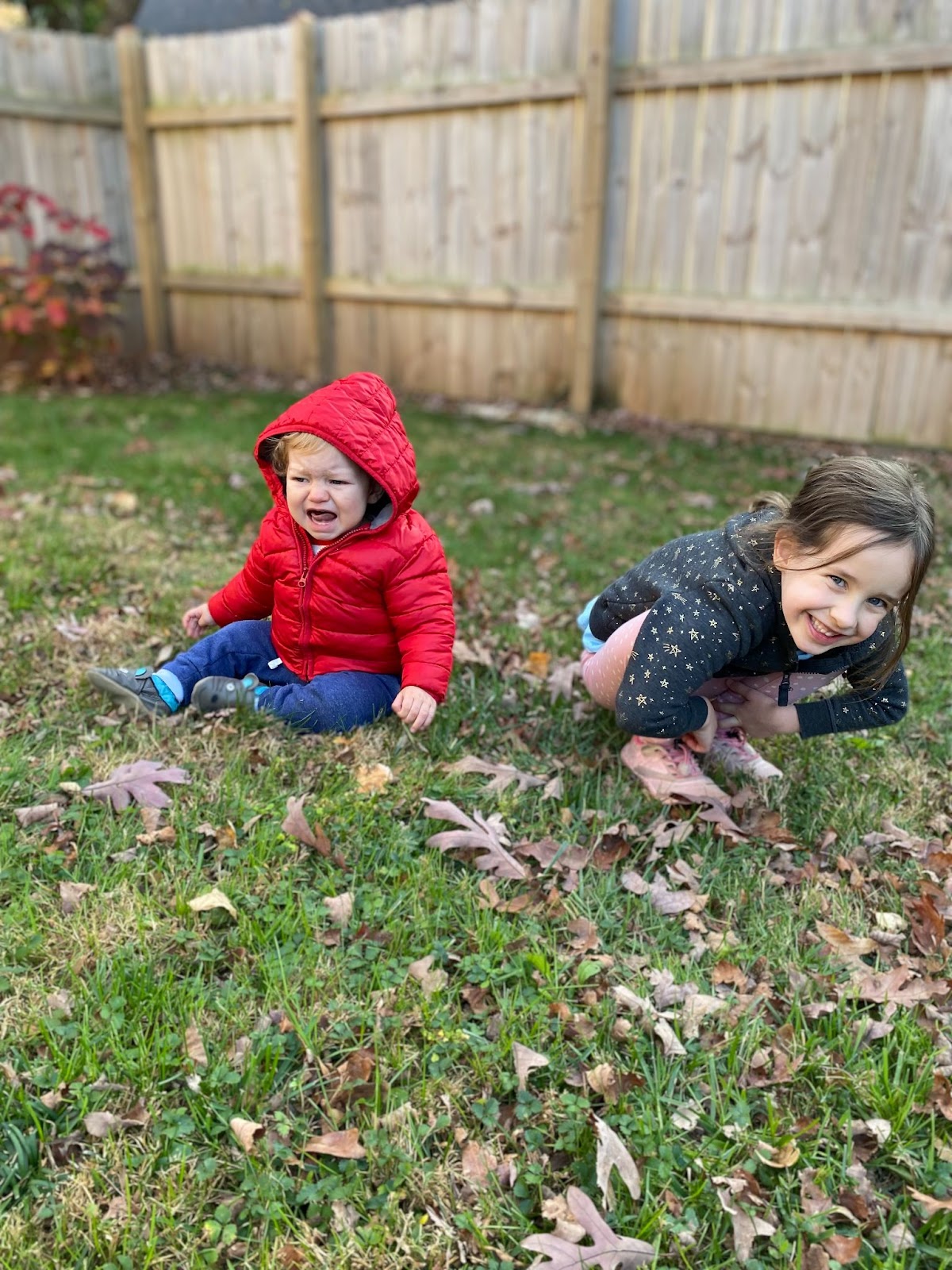
2023 has been a year of learning for me personally and professionally. I am learning that parenting two children is not as easy as “divide and conquer.”  
Transitioning to my role as a physical therapist and health coach has taught me the impact that lifestyle choices have on our health. Typically, the impact of the lifestyle pillars of sleep, nutrition, activity, and psychological wellness (S.N.A.P.) have a greater impact on our health than our genetics1. I have learned this lesson, firsthand, through my interactions with Julie.

Julie and I have been working together over the last 6 months of 2023 and her journey has been a motivation, inspiration, [insert numerous superlatives here] to me from Day 1! She embodies the principle of “Start with Why” and has aligned the S.N.A.P. pillars with this First Principle.


Julie (and her Why?)
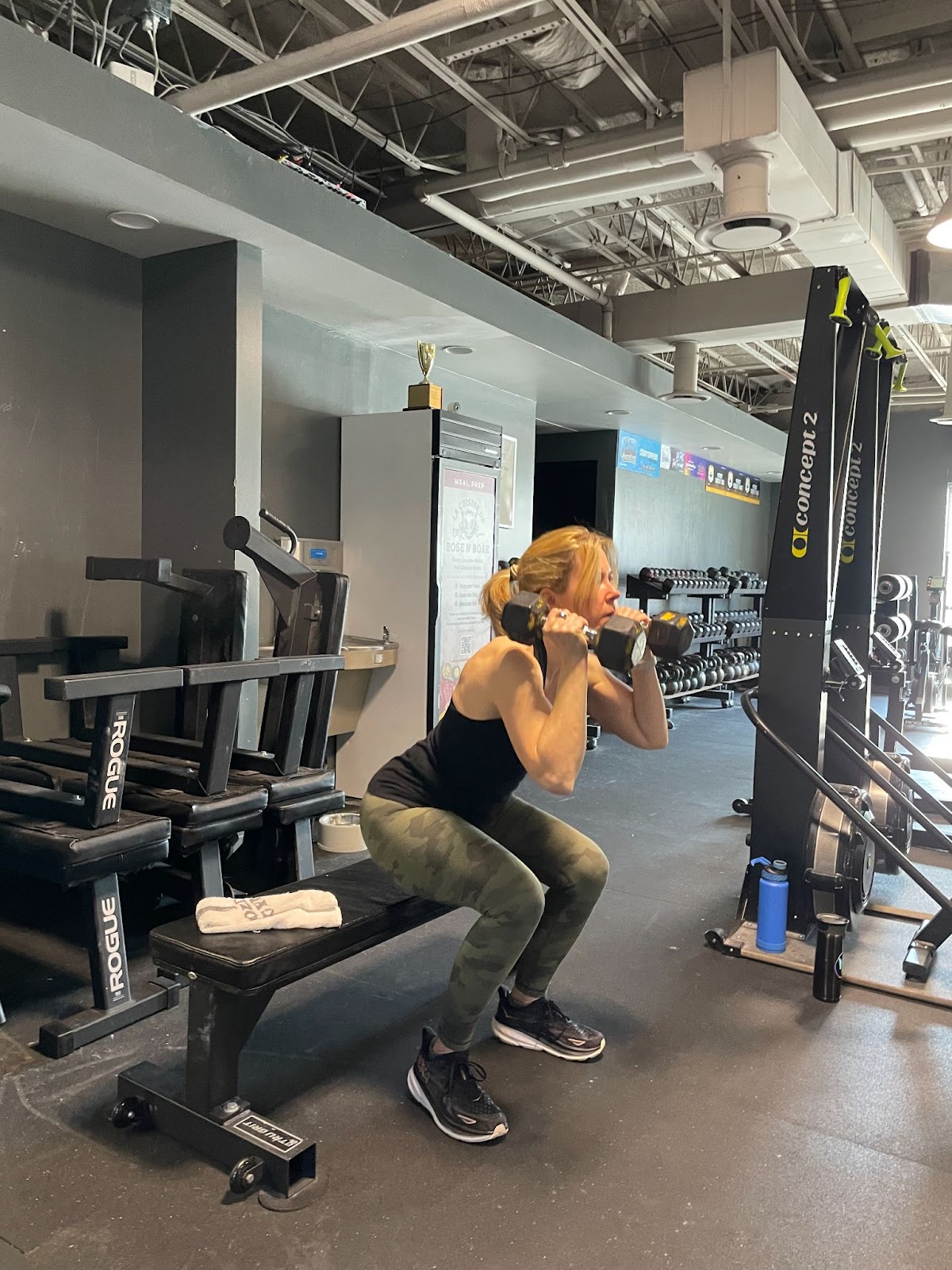
In recent years, Julie decided it was time to take ownership of her health. The combination of personal and family health obstacles jumpstarted Julie’s motivation to take a proactive approach to health, rather than waiting for something more/else to happen. She notices her mother’s health faltering as she ages, especially with regards to physical ability. Julie finds this to be a common thread among other family members of her mother’s generation. As a mother herself, Julie wants to be healthy and live well throughout her life.

The “health scare, close to home,” story resonates with many of us and Julie’s response to this story should be a How-To response manual.

Julie’s Response

Julie has become a voracious learner in the health and wellness space and can quote the latest teachings and research pearls of industry leaders such Peter Attia, Andrew Huberman, and the Wild Health Precision Medicine crew (***which warms my health coaching, podcast loving heart!). More importantly, Julie puts these podcast pearls to work! And here’s how:

Sleep

Julie is data driven.  She uses the Oura ring2 and appreciates the immediate feedback she receives each morning. What impact does her daily routine have on her sleep? She can find it in real time. Julie has found the following sleep habits to positively impact her sleep quality (and score!):

1.  Consistency of sleep window (go to bed and wake up around the same time each day)

2.  Close the kitchen after 7 pm (stops eating right before bed)

3.  Calm down 1 hour before bed (removes screens/stressful activities)

Nutrition

This has been an evolving process for Julie. She started her journey with assistance from MyFitnessPal3 to help her better understand what she ate (and how much of it) daily. Julie focused on the following nutritional principles:

1.      Increasing her protein intake (targeting a specific number of grams daily)

2.      Eating more omega-3 rich foods (ie sardines, mackerel, anchovies, salmon, herring)

3.      Increasing her fiber intake (targeting a specific number of grams daily

Over time, Julie gained a better understanding of food intake, especially with regards to protein/omega- 3/fiber consumption and decided to wean down from nutritional apps. This has allowed her to take a balanced approach that is sustainable to her in the long run.

Activity

Julie has been an active person throughout her life. She started dancing at a young age and supplemented this routine with various forms of longer duration, endurance exercise. More recently, she has shifted her focus to intensity driven activities (interval training) and progressive overload weightlifting (lifting heavy stuff!). 
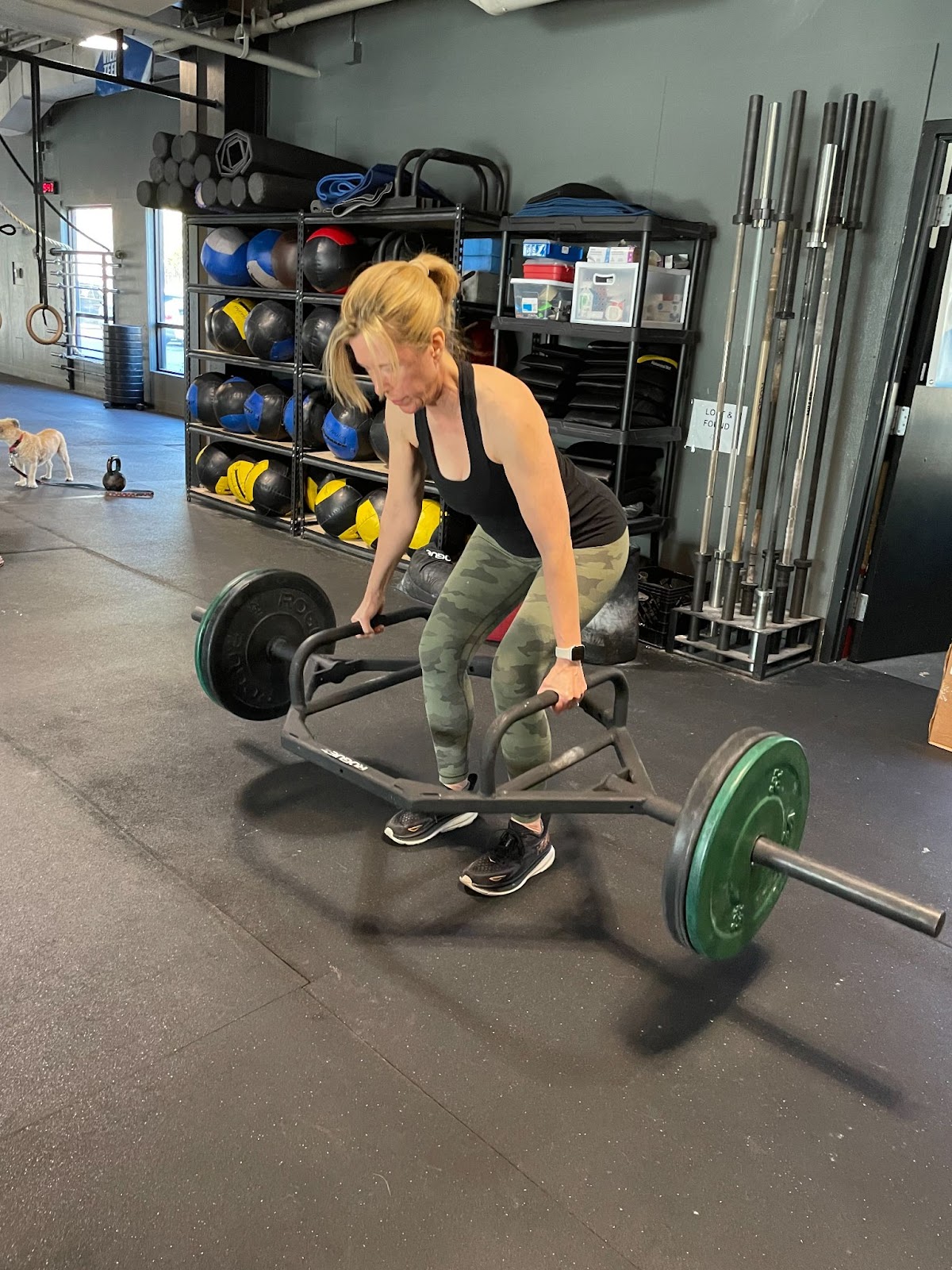


She finds that her recent approach is more focused/specific, and she can directly connect her physical activity with her wellness goals. She continues with the data driven approach to physical activity, getting serial DEXA* scans to track her progress on various metrics such as bone mineral density and lean body mass.

*(DEXA scans - dual-energy X-ray absorptiometry are low radiation scans that allow for visualization of bone mineral density, fat mass, and lean mass).4

In addition to well-rounded exercise, Julie is intentional in moving throughout the day. Some of her go-to movement practices include:

  • Walking for morning sunlight exposure

  • Mini work breaks for movement (walk around block, farmers carry, stairs)

  • Targeted mobility work for joints that are stiff

Psychological

What’s the point of all this physical health stuff if you are stressed out of your mind?! I harken back to an old blog post of mine on chronic stress to provide some context.

Julie recognizes the importance of minimizing the impact of chronic stress on her life. She takes a proactive approach to de-stressing through a variety of activities, including regular meditation practice. Additionally, many of her activity practices double as psychological wellness practices – morning walks outside, evening walks with her husband, exercise snacks at work (which double as brain breaks), to name a few.

Julie has found that creating a wellness community plays a tremendous role in her enjoyment on this journey. She frequently travels for work and has arranged for team bonding activities that double as physical activities – yoga and surfing and tries to find a workout buddy for her weight training routine. Her greatest wellness community comes from her home – she has a supportive team with her husband and son in her wellness journey. Her son even indulges Julie by listening to her podcasts with her! 

The icing on this proverbial cake? Julie enjoys the process – she has found a new passion in life and gets excited to learn/implement new S.N.A.P. habits.

Julie’s Advice?

Get it scheduled! Prioritize the activities that are meaningful to you and then have a plan to implement them into your life.

Thank you, Julie, for the advice and for the example you have set.

If you would like guidance to jump start your health journey, let me be your sherpa!

Dan’s “Go-To Resources for S.N.A.P.”

*** I have no affiliation with these companies – just a fan of their work

Sleep books:

The health book to end all health books:

DEXA scan location:

Meditation:

  • HeadSpace - https://www.headspace.com/ - meditation in all shapes and sizes from the soothing voice of Andy Puddicombe (worth a listen for his voice, alone).

Journaling/Mindfulness/Gratitude:


References

1. 2022 - Wild Health Precision Medicine Health Coaching Fellowship. https://www.wildhealth.com/education

2. https://ouraring.com/

3. https://www.myfitnesspal.com/

4. https://my.clevelandclinic.org/health/diagnostics/10683-dexa-dxa-scan-bone-density-test


Friday, April 7, 2023

Mobility and Stability: The Prelude to Athletic Performance

Parenthood has taught me many things, and I am continually amazed at how my children teach me something new every day. That’s right, I said children! 


We welcomed Anders into the world on October 27, and he is following in his sister’s footsteps as my teacher and muse. 


Amongst many lessons, Anders and Amelie have taught me two foundational principles of movement and performance:

  1. Mobility is the foundation of movement and performance.

  2. Stability is the ownership of movement, and the second level of the movement and performance progression.


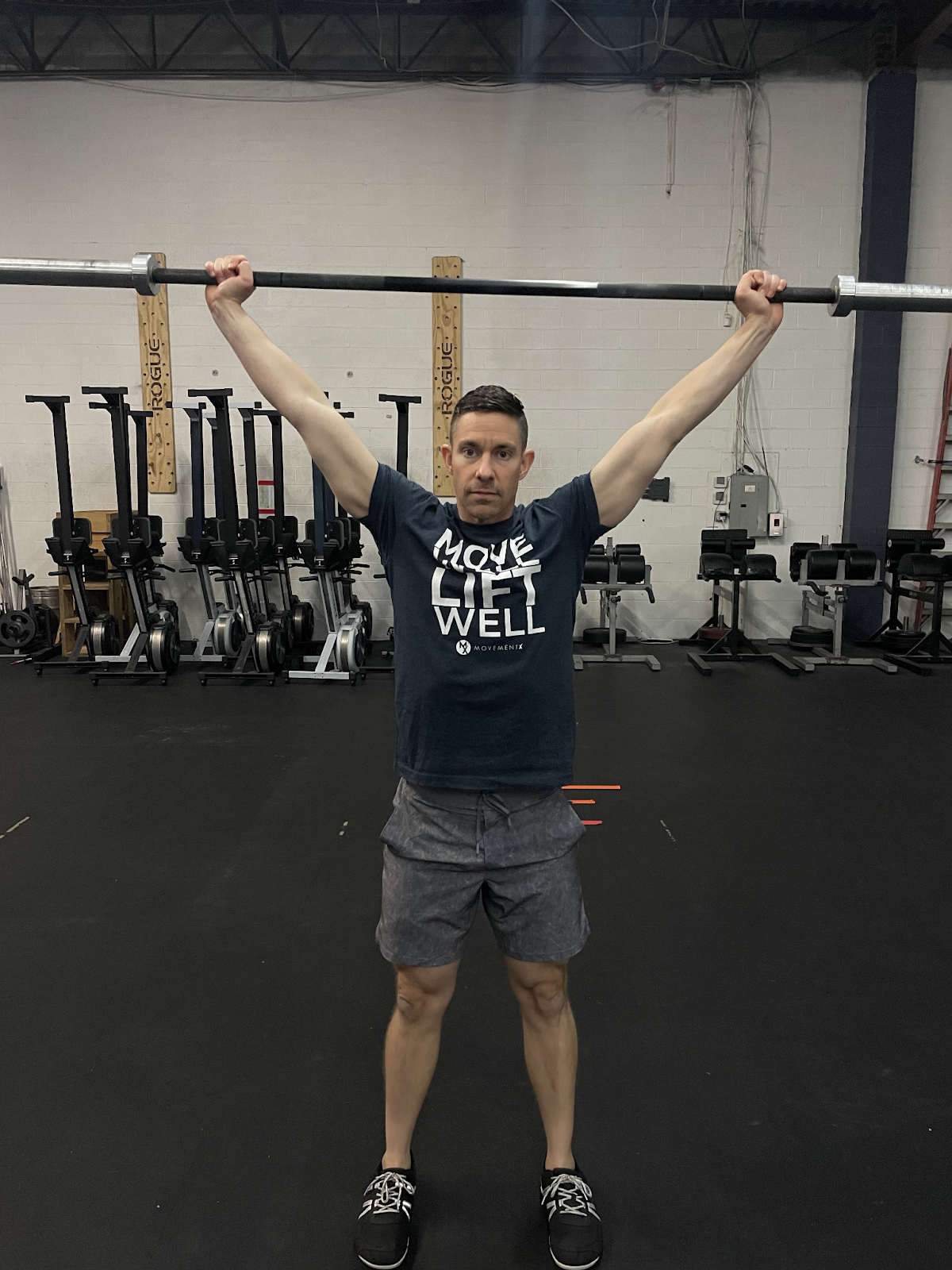
Earlier this year, I put my parenthood education into action, as I hosted the seminar, Mobility and Stability: The Prelude to Snatch Performance at Patriot CrossFit.


The Snatch (Athletic Performance)

Background – The snatch is the pinnacle of CrossFit performance. It requires the perfect blend of mobility, stability, strength, and power. First and foremost, mobility and stability are the foundation. They are the first things we develop in life, and they are a requirement to optimize your snatch performance. This seminar focused on identifying the mobility and stability requirements for the snatch and introducing movements to address these foundational pillars.

Let’s define some terms:

Mobility – the ability to move your body freely and easily, through as large a range of motion as possible (ie squat with your arms overhead)

Stability – demonstrating body control through a movement (especially in end ranges). Stability = ownership of the movement.


Global Mobility

As Anders develops, he possesses a foundation of phenomenal mobility. His body can adapt to any position. This is what is called Global Mobility. We will channel our inner Anders and focus on global mobility using the Turkish Get Up.


Turkish Get Up - YouTube


The Turkish Get Up requires mobility in the entire body as you transition from the ground to a standing position and change the shape of your body at each point of transition.


Snatch Mobility

Upon this foundation of global mobility, Anders layers mobility that is specific to the task at hand (namely feeding). Our version of task-specific mobility is the high pull position and overhead position for the snatch.


Stability Progression

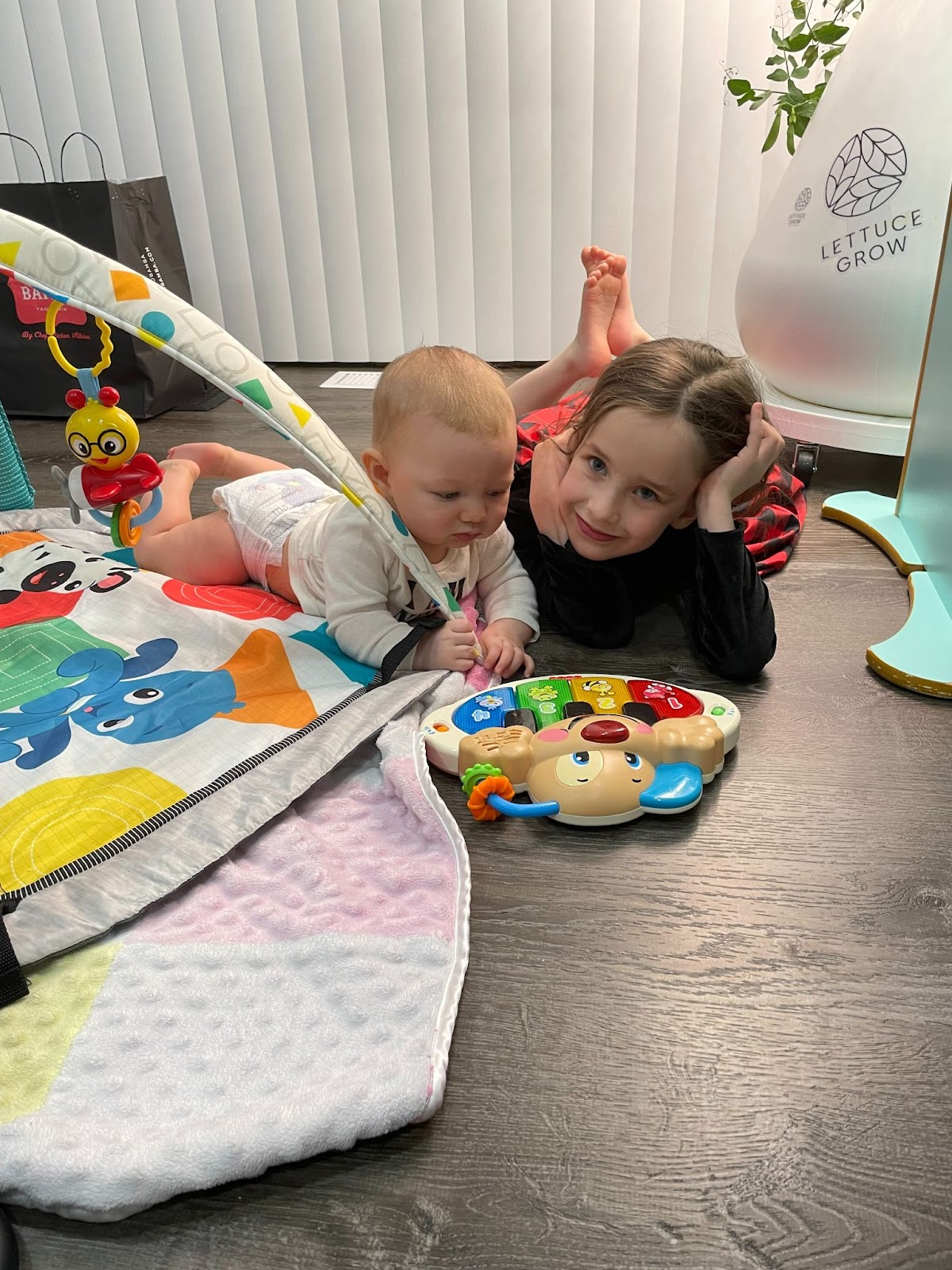
Like any dutiful younger sibling, Anders will eventually want to keep pace with his big sister. Amelie has a 5-year head start, which will require Anders to quickly master stability of his body to hold himself upright and progress to stability through movement.


Step 1 - Static stability

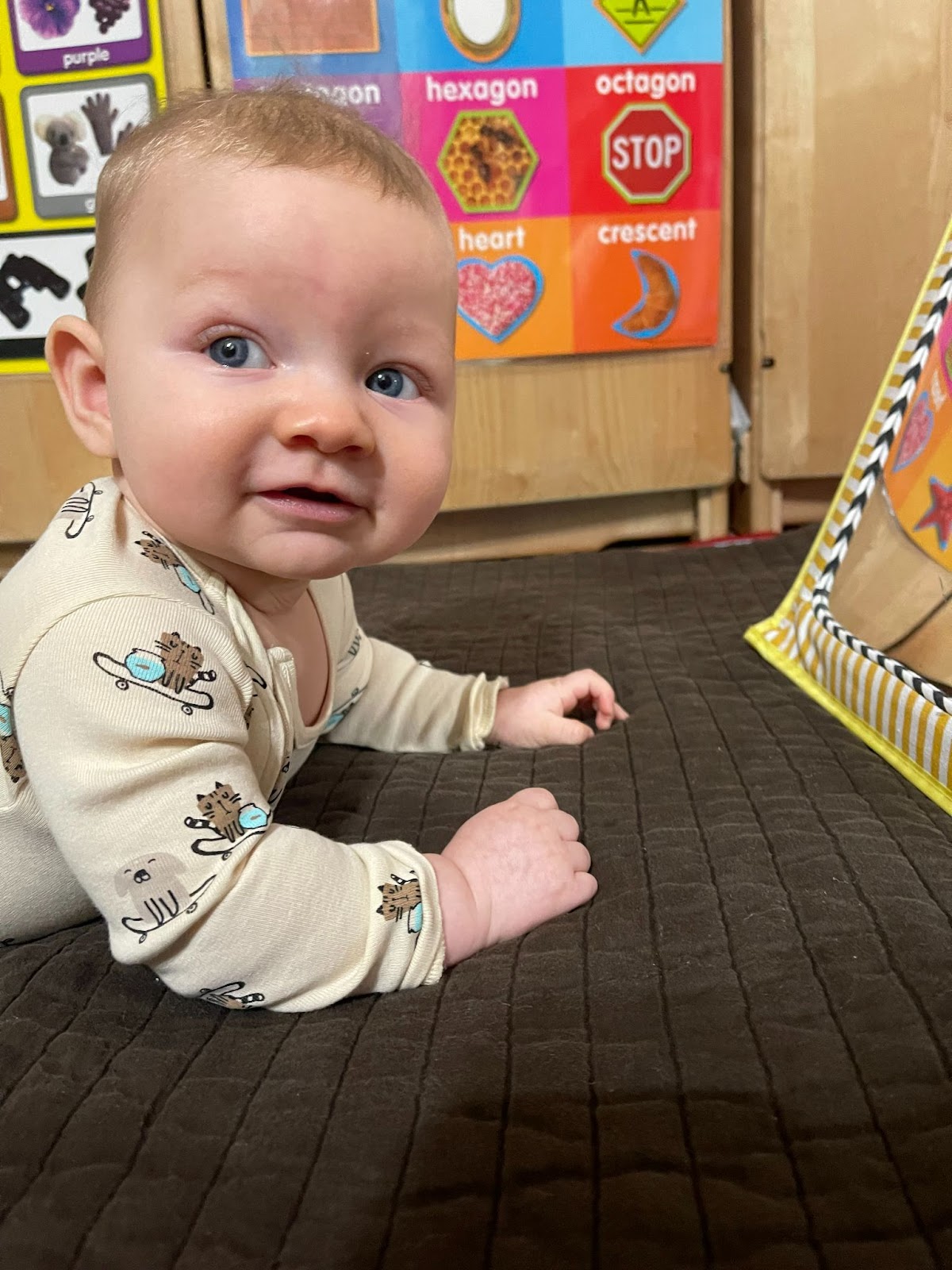
Anders will start with holding his head up in the unenviable “Tummy Time” position.  


We started with positional holds:


And progressed to static holds of external weight: 


Step 2 – Dynamic stability 

Anders will learn that new movements require a much slower, more deliberate approach. He cannot immediately crawl at the same speed as his big sister. We slowed things down by incorporating tempo work to demonstrate dynamic stability.


Overhead Squat - YouTube


Pressing Snatch Balance - YouTube


Step 3 – Speed stability 

Much quicker than my ability to baby-proof the house, Anders will accumulate the reps of dynamic stability to race after Amelie. At this point, he has moved onwards to speed stability, which is a must for chasing big sisters and performing the snatch. We progressed to the heaving snatch balance for speed stability.


Heaving Snatch Balance - YouTube


Take Home


Every high-level movement is layered upon a foundation of mobility and stability. Are you interested in improving your mobility and stability as they relate to your version of athletic performance? Come test the principles of motor development with me! Sign up here:


MovementX (movement-x.com)


Tuesday, October 25, 2022

Got Chronic Pain? S.N.A.P. It!


Got Chronic Pain? S.N.A.P. It!

As a parent, one of the worst feelings in the world is to see my daughter in pain. While I fight a losing battle to protect Amelie from all the world’s perils (uneven sidewalks be damned), I have found boo boos to be my nemesis!

Fortunately, Amelie is my best teacher, and informs me - “Daniel! It’s okay. Boo Boos heal.”

Yes, my daughter calls me Daniel, and it makes me smile every time.

Amelie provides sage advice, but what happens in the case of chronic pain and why is it becoming such a significant problem in our society?


Chronic Pain… The Elephant in the Room

At a recent continuing education course, Therapeutic Neuroscience Education1, I came across some sobering statistics:

  • In the United States, 25.3 million adults suffer from daily chronic pain and, of those, 10.5 million individuals’ state that they have a lot of pain every day.

  • It is estimated that 126.1 million adults in the United States experience some pain over a 3-month reporting period, which means that more adults in the United States experience pain than those who do not.

  • Within these staggering prevalence numbers is the associated cost of persistent pain in the United States, which adds an economic burden of $560 to $635 billion dollars annually.

  • The Centers for Disease Control (CDC) in the US have reported that prescription opioids for pain cause three times the number of annual deaths in the US than cocaine and heroin addiction combined.


Chronic Pain, Oh S.N.A.P.

It is against this backdrop, that Fred Gilbert and I had the opportunity to participate in a Chronic Pain Townhall Discussion with Northern Virginia Family Practice, in September 2022. Here is a recording from this event. Take a look, and please share this with friends and family:

SNAP Up Chronic Pain


Conclusion

If you need any help navigating the world of chronic pain, come work with me!


References

1.       Adriaan Louw - Therapeutic Neuroscience Education – 2022

2.      Vlaeyen, J. W. S. and S. J. Linton (2000). “Fear-avoidance and its consequences in chronic musculoskeletal pain: a state of the art.” Pain 85: 317-322.


3.     Moseley, L. (2002). “Combined physiotherapy and education is efficacious for chronic low back pain.” Aust J Physiother 48(4):297-302


4.     Sloan, T. J. and D. A. Walsh (2010). “Explanatory and diagnostic labels and perceived prognosis in chronic low back pain.” Spine (Phila Pa 1976) 35(21): E1120-1125.


5.     Kjaer, P., C. Leboeuf-Yde, et al. (2005). “Magnetic resonance imaging and low back pain in adults: a diagnostic imaging study of 40-year-old men and women.” Spine 30(10): 1173- 1180


6.     Milgrom, C., M. Schaffler, et al. (1995).“Rotator-cuff changes in asymptomatic adults. The effect of age, hand dominance and gender.” The Journal of bone and joint surgery. British volume 77(2):296-298


7.     Reilly, P., I. Macleod, et al. (2006). “Dead men and radiologists don’t lie: a review of cadaveric and radiological studies of rotator cuff tear prevalence.” Annals of the Royal College of Surgeons of England 88(2): 116-121


Monday, September 12, 2022

The Secret to Living Well? Start with “Why”

In 2009, the inspirational speaker & author Simon Sinek wrote Start with Why: how great leaders inspire

everyone to take action. The central premise of Start with Why, is that “why” is our purpose/cause/belief,

and it must be the foundation of our daily existence. The foundation of “why” informs our daily habits and

choices. As a physical therapist, my “why” is to improve people’s confidence through movement. More

recently, as a father, my “why” has grown to include living a long, healthy life to support my family. I

want to be a healthy role model for my children and their children, and my great-grandchildren, as well!


A Physical Therapist/Father’s Wake-up Call

As a result of my evolving “why”, I decided to formally pursue a Precision Medicine Health Coaching Fellowship 

to better understand how my daily habits and choices impact my ability to live long and live healthily.

My physical therapy/health coaching journey has opened my eyes to the fact that our society is currently

facing a number of health challenges, such as heart disease, obesity, and diabetes, all of which can impact

our ability to live long, healthy lives.


According to the Centers for Disease Control and Prevention (CDC):

* Heart disease is the leading cause of death for men, women, and people of most racial and ethnic

groups in the United States

* The US obesity prevalence was 41.9% in 2017 – March 2020. This number has increased from 30.5%

in 1999-2000

* More than 37 million Americans have diabetes (about 1 in 10), and approximately 90-95% of them

have type 2 diabetes


In the face of these challenges, what is your “health why”? Maybe you are a parent or grandparent that

wants to keep up with the munchkins in your life? Maybe you have faced a recent illness that has temporarily

hampered your health? Whatever it is, the health journey starts with identifying your “why.” Finding your

“health why,” will help you stay the course. Healthy living is a mindset, a practice, and a commitment to

make daily choices that align with your response to the question: “Why do I choose to be healthy?”

The path to healthy living can be windy, uncertain, and steep. Who better to help you navigate the path than

a sherpa?

Hello! I would like to be your sherpa!


What Can I Expect to Focus on with Health Coaching?

We will focus on four pillars of health – each of these pillars is crucial in the journey towards optimizing health.

1.) Movement

What better place to start than with the pillar that is at the heart of my company?

* Daily, purposeful movement. Add more frequency and variety to your movement profile. Channel your inner child.

What does this look like? Every 20 minutes, take a 20 second break from your workstation to move. Move as much of

your body, through as large a range of motion, as possible.

*Fitness related movement practice– improve your body’s stress resilience through a comprehensive fitness practice –

mobility, stability, strength, power, endurance training.

2.) Nutrition

Personalized coaching with the intention of bringing awareness to your daily nutrition practice and restoring the

enjoyment of eating. Areas of focus:

* What to eat? Selection of high quality foods that match your needs and social/cultural/religious practices

* Nutrition journaling – This allows for a snapshot of our daily eating habits and also gives us time to reflect on how our

bodies respond to what/when/how much we eat.

3.) Sleep Hygiene

Sleep quality is the linchpin of health and wellness. We will discuss daily habits and rituals that start from the moment

you wake up, to improve your sleep quality.

* Review of daily habits – discuss how daily activities (such as sun exposure, physical activity, caffeine intake) impact

sleep quality

*Create a plan to maximize your sleep quality through daily habits

*Track sleep through wearables (such as Oura ring, Apple Watch)

4.) Emotional Wellness

Purposeful reflection, practicing gratitude, and leaning into a support system to strengthen your wellness journey

* What is stress? How does it impact our emotional wellness and the other 3 pillars of health?

* Review of daily habits – discuss activities that lead to a disproportionate increase in daily stress.

* Reflect on how personal stressors impact your emotional wellness.

*Develop a daily practice to reduce stress, in the moment, using practices such as deep breathing, meditation, time with

loved ones.

*Track with a journaling practice


What Does the Health Coaching Plan Look Like?

How long? 6 months

How often do we meet? Twice per month

How long is each session? 4 “Pillar of Wellness Introductory Sessions” are 60 minutes in length, and the 8 follow up

sessions are 30 minutes in length

Session Focus? At least two sessions per each pillar (8 sessions); Remaining sessions will focus on individual client needs

(4 sessions)

Cost? $1500


How Can I Get Started?

Click here to sign up online


Follow the steps to request a session with “Dan.”  From there, you can coordinate directly with Dan to schedule a 10


minute introductory phone call to get started.


References:

  1. Sinek S. Start with Why: how great leaders inspire everyone to take action (2009). *** His subsequent TED talk on this topic has been viewed over 59 million times!

  2. https://www.cdc.gov/heartdisease/facts.htm

  3. https://www.cdc.gov/diabetes/basics/type2.html#:~:text=More%20than%2037%20million%20Americans,adults%20are%20also%20developing%20it

  4. https://www.cdc.gov/obesity/data/adult.html